

COMMUNITY CATS
At Little Traverse Bay Humane Society, we believe in humane, effective solutions for managing community cats and reducing unwanted litters. Trap-Neuter-Return (TNR) services help stabilize outdoor cat populations, improve cat welfare, and create healthier neighborhoods for both cats and people.
learn more and sign up
We offer TNR services for community cats — please call 231-622-6363 to learn more and schedule an appointment.
what is a ‘community cat’?
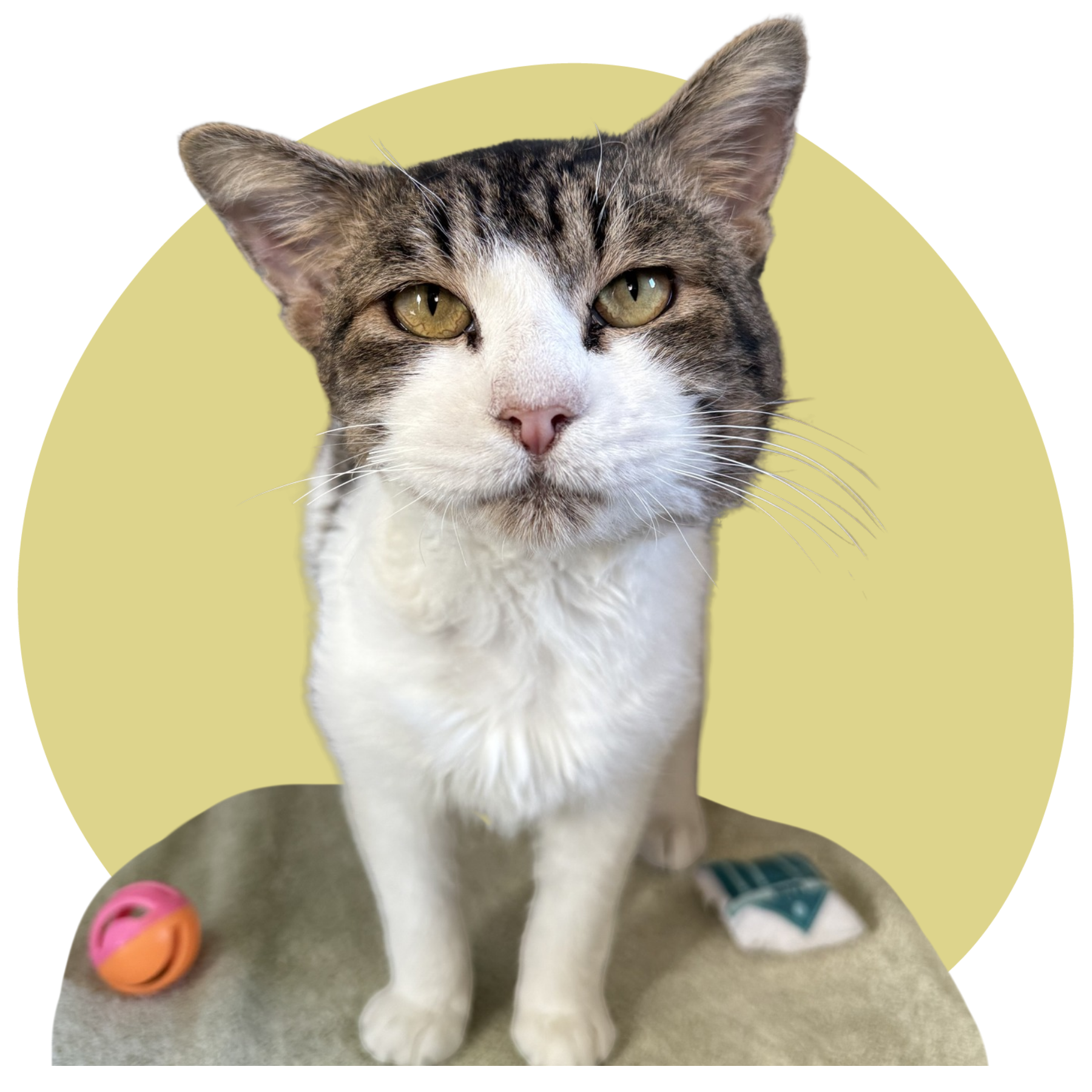
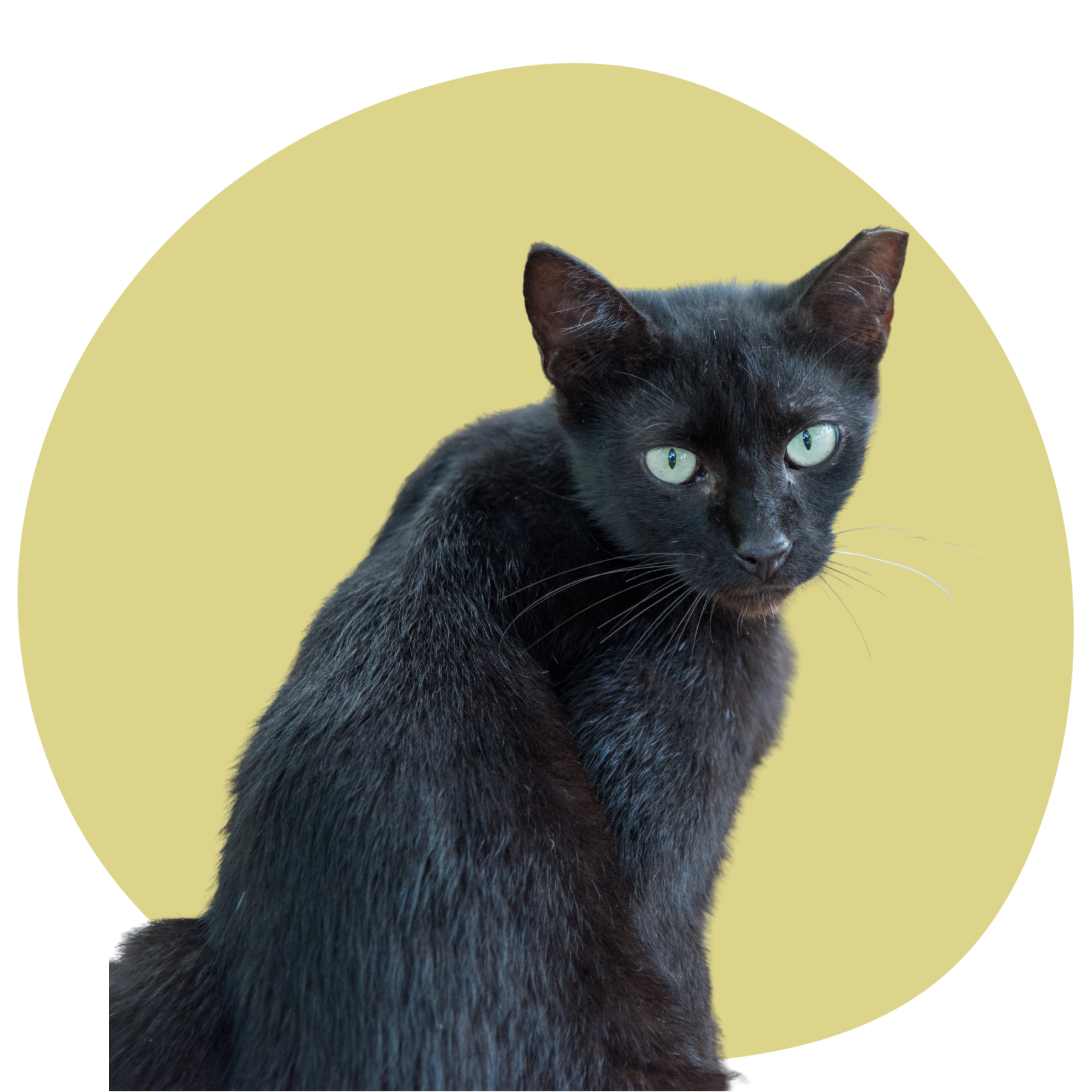
Community cats are domestic cats who live outdoors and don’t have a specific owner. They may be friendly, shy, or completely unsocialized, but they’re all part of our local ecosystem and have lived near people for many of years.
Unlike owned cats, community cats generally cannot be handled or placed directly into homes, especially if they are feral or not socialized to humans.
what is trap neuter release (tnr)?
Trap-Neuter-Return (TNR) is the most humane and effective way to care for community cats. Through TNR:
Cats are humanely trapped using safe live traps.
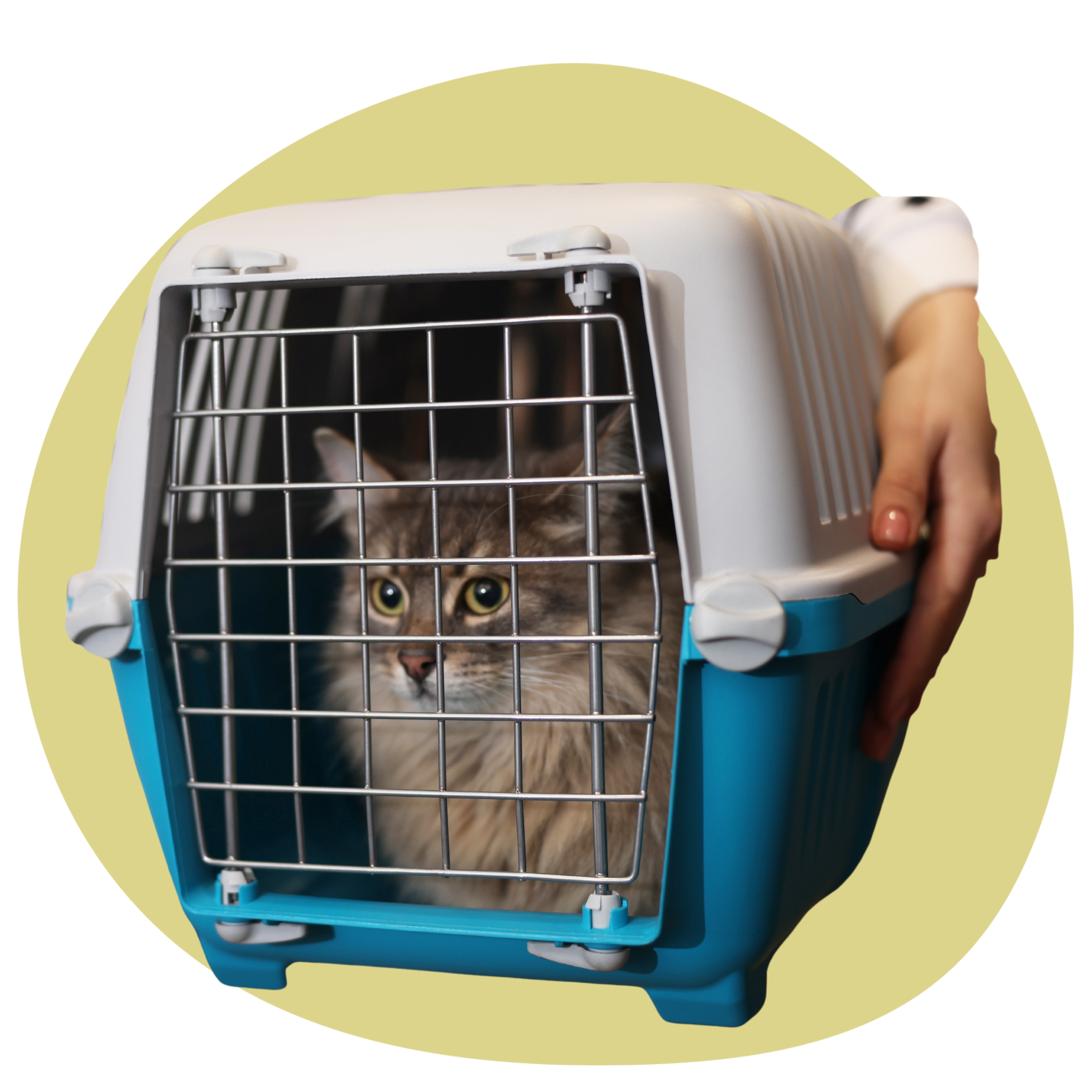
They are transported to a clinic to be spayed or neutered, vaccinated, and ear-tipped (the universal sign that a cat has been fixed).
After recovery, cats are returned to the outdoor location where they were found.
TNR stops reproduction, eliminates mating behaviors like yowling and fighting, and ultimately stabilizes and gradually reduces the number of cats over time.
Why TNR Works
Prevents litters — No more kittens being born into the outdoors.
Improves quality of life — Spayed/neutered cats are healthier and less stressed.
Reduces nuisance behaviors — Mating-related behaviors like spraying and fighting decrease.
TNR has been shown to be the most humane and widely supported strategy for long-term community cat care.
COMMUNITY CAT FAQ’S
-
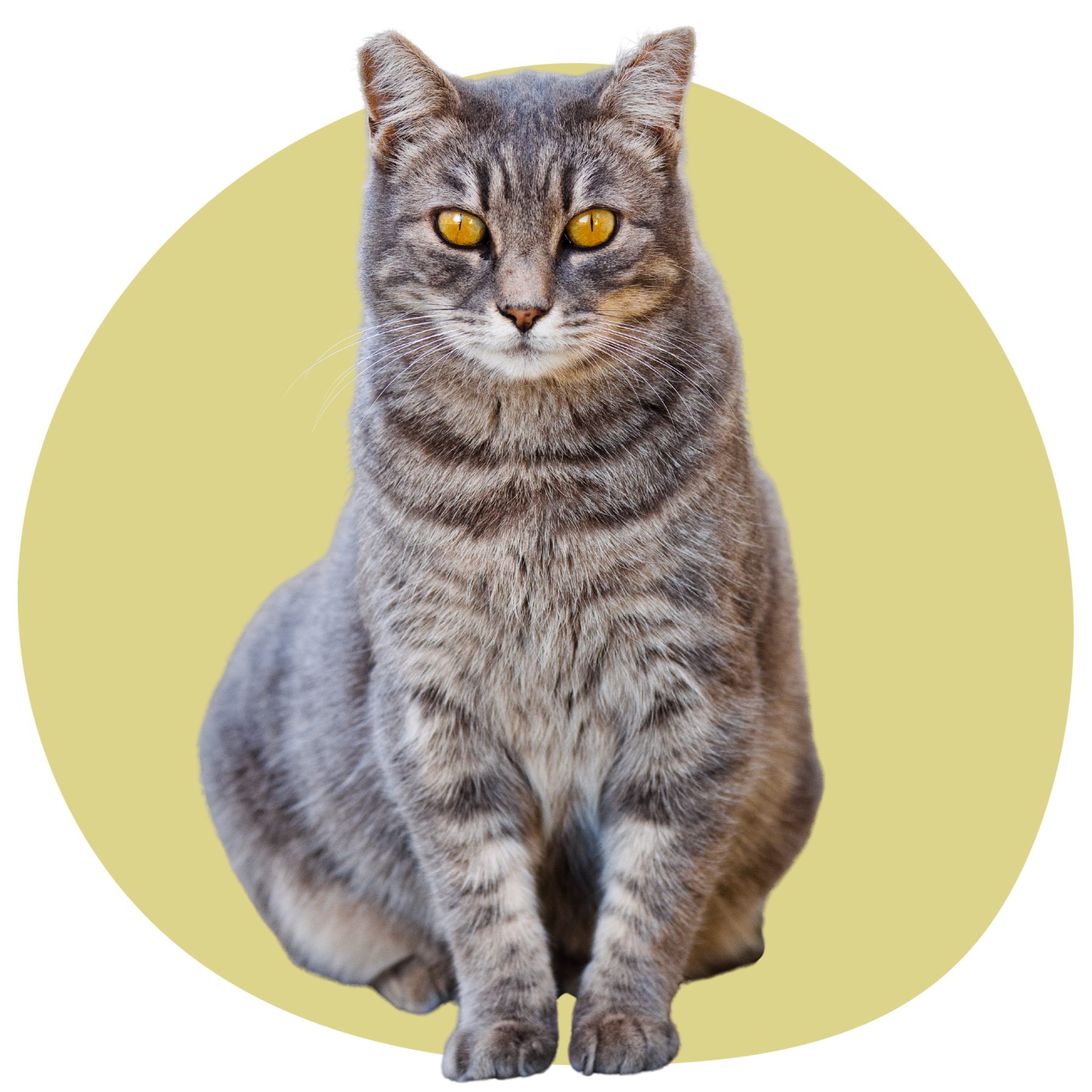
Feral cats tend to be completely unsocialized and avoid people. Shy cats may warm up over time. Either way, TNR is the first step in helping manage their health.
-
Ear-tipping is the painless removal of the tip of one ear while the cat is under anesthesia. It’s the universal sign that the cat has been spayed/neutered through a TNR program.
-
Often the mother is nearby and will return. Check back later. If mom doesn’t return and the kittens need help, contact us for guidance.
Additional Tips for Helping Community Cats
Set up regular feeding schedules during daylight hours — this helps cats stay well-fed and reduces scavenging behavior.
Always use safe, humane traps — avoid carriers or cages that can injure cats.
Notify neighbors before trapping so owned cats aren’t accidentally caught.
Check out these additional resources from Alley Cat Allies
Get Started with TNR
We offer TNR services through Little Traverse Bay Veterinary Clinic. Call us at 231-622-6363 to learn more about the process, get advice, or schedule services.
Together, we can help stabilize community cat populations, reduce suffering, and build a healthier community for all animals.